
Chapter 15) Racing's Third Calendar
Horseracing runs on three calendars: the traditional racing calendar, the national calendar, and a DEI awareness calendar.

Horseracing has its own well-established calendar: Royal Ascot, Cheltenham Festival, the Grand National, Epsom Derby, and so forth. This sits alongside the national calendar: Christmas Day, New Year, Easter weekend, Armistice Day, and similar occasions.
In 2021, the British Horseracing Authority introduced a third calendar: a diversity and inclusion awareness schedule. This was formalised in its Diversity & Inclusion Action Plan 2022, which called for “awareness days being celebrated and promoted”.1
Here follows that calendar, running from February to December. Its implementation is not limited to the British Horseracing Authority but extends across the full range of racing organisations, including the Racecourse Association, individual racecourses, training establishments, and other industry bodies, as well as Racing With Pride, the sport’s official LGBT+ network.
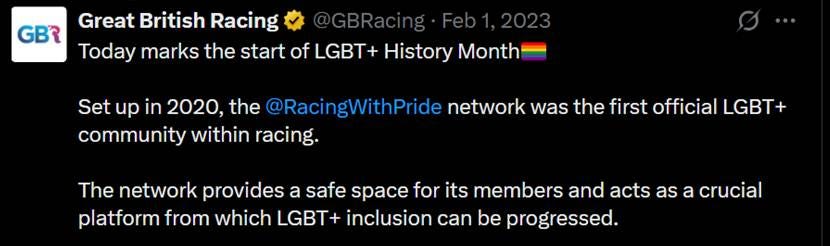
February is LGBT+ History Month; here is a sample tweet from 2023:
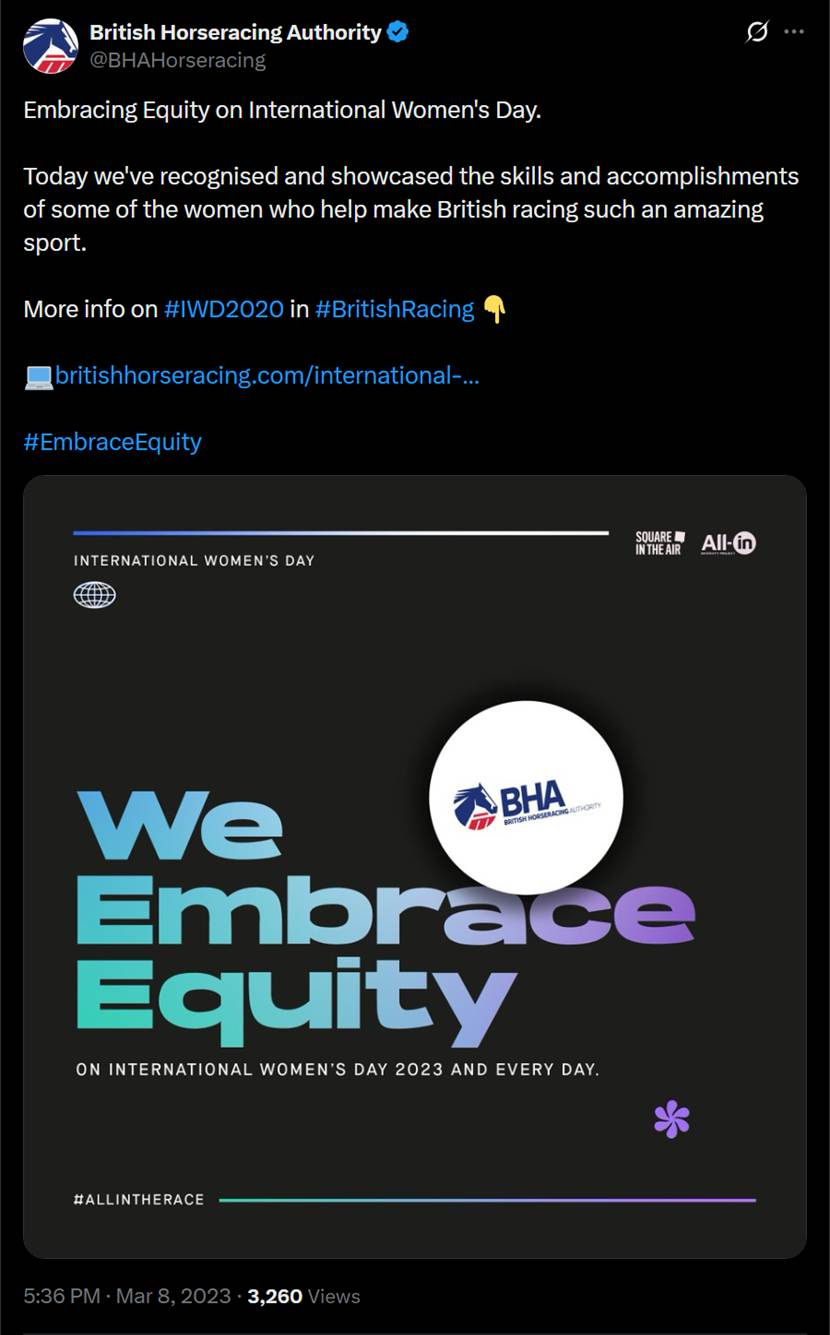
8 March is International Women’s Day:
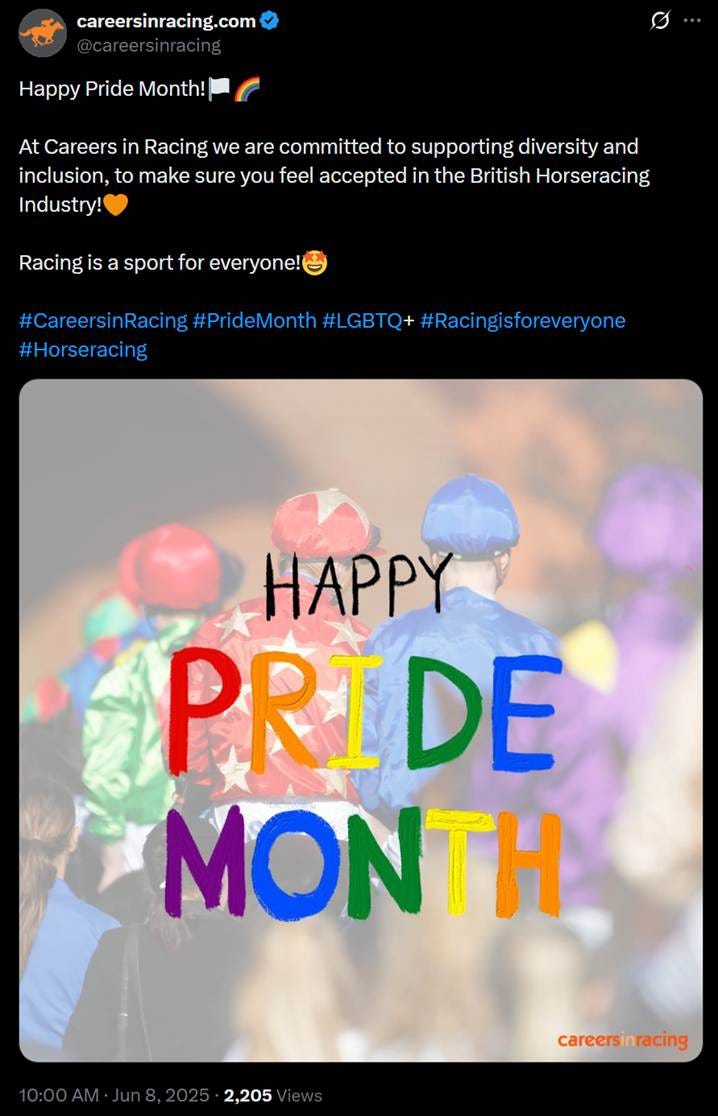
The whole of June is Pride month. Here are several images, the first is from Careers In Racing:
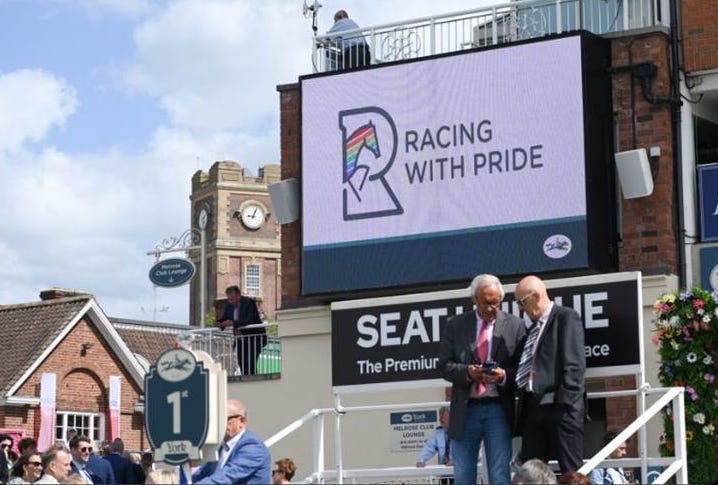
York Racecourse:
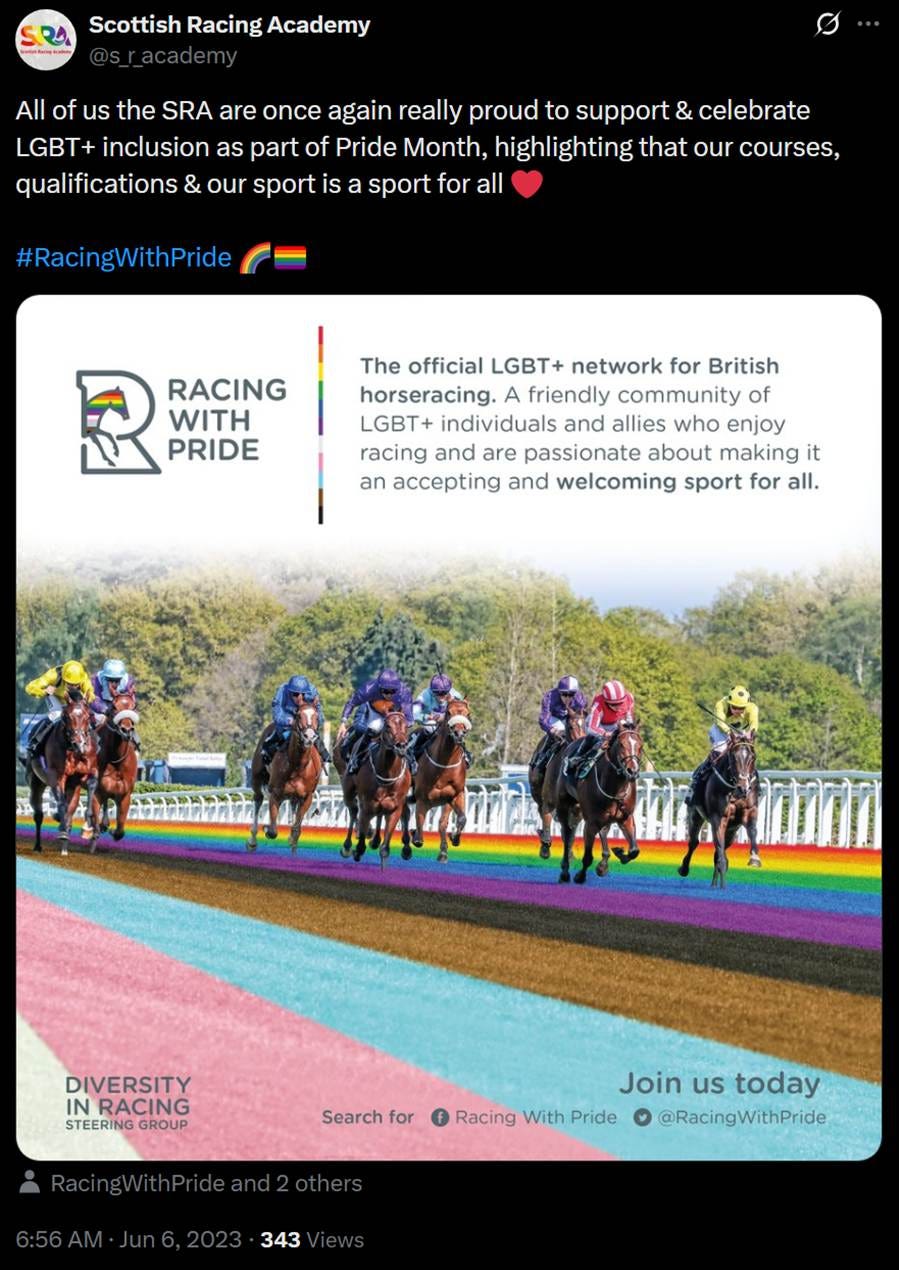
The Scottish Racing Academy:
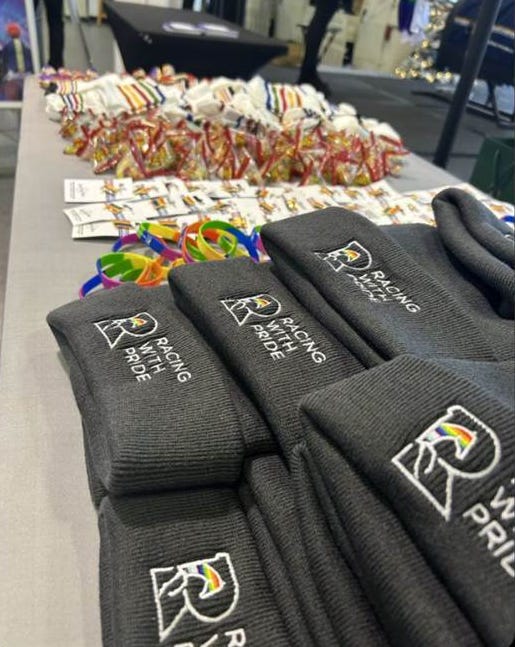
Merchandise at Sandown Park:
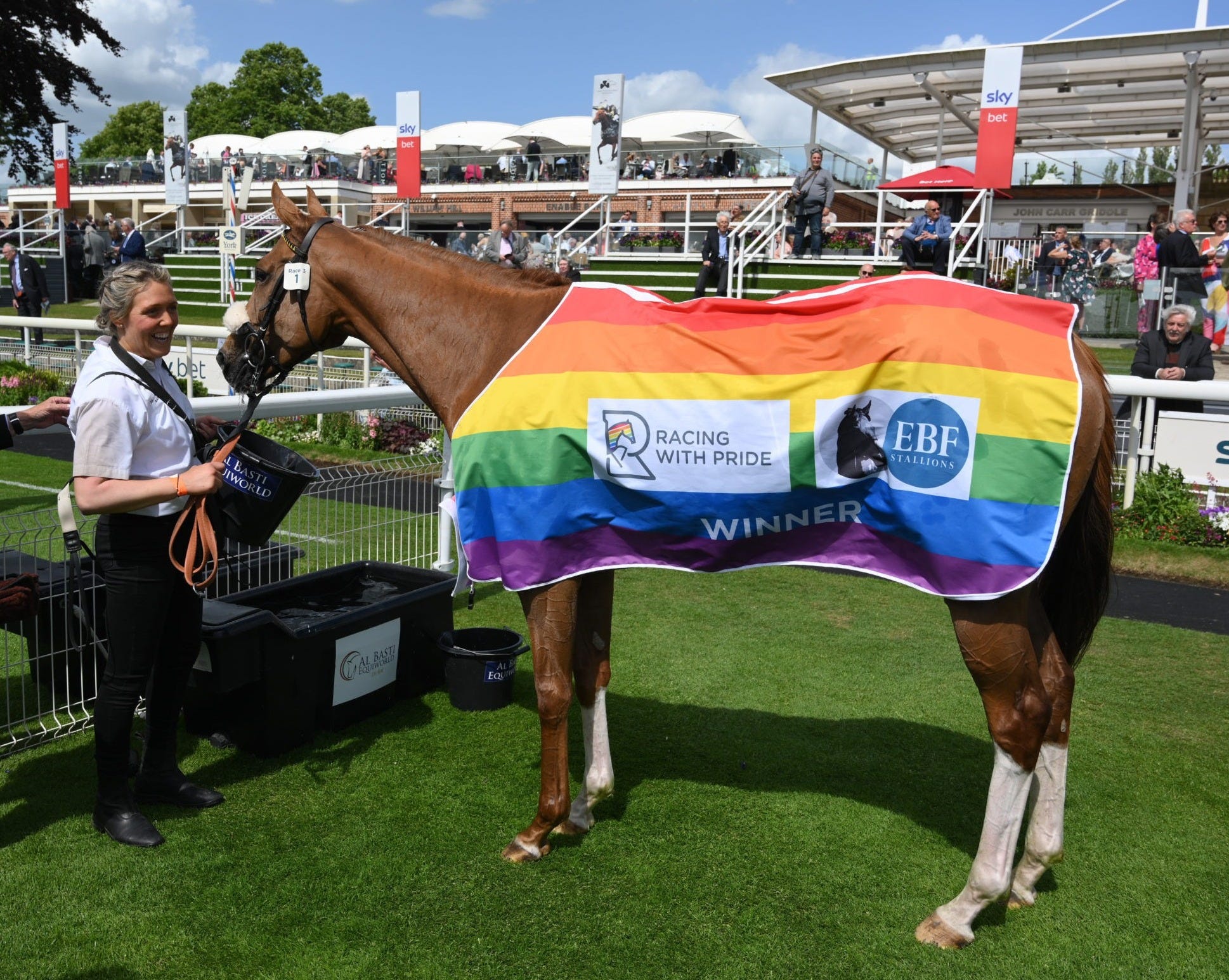
A horse in Pride colours at York:
One wouldn’t know it from the above, but there is no consensus on LGBTQ and Pride, not even among gay people. For example, the author Douglas Murray, journalist Julie Bindel, comedian Andrew Doyle, presenter Dan Wootton, and the late Peter Whittle of the New Culture Forum - all gay - have been critical of the LGBTQ and Pride agendas.
Some gay people say Pride’s emphasis on exhibitionism, drag queens, and fetishism is a corruption of Pride’s original purpose, which was to demonstrate that homosexuals were ordinary people. Modern Pride thus associates gay people with the very stereotypes they wanted to escape.
There are conflicts between the ‘LGB’ and the ‘T’. Formerly, gay groups like Stonewall said same-sex attraction was an indication of homosexuality. But when Stonewall changed its remit to promoting gender identity in 2015 (i.e. changing from LGB to LGBT), same-sex attraction was held to indicate that the subject was transgender, effectively erasing same-sex attraction as a category. This led to the formation of the LGB Alliance to oppose Stonewall.2
Socially conservative gay people desire legal equality and everyday respect, but have no wish to compete with the family as society’s normative ideal, or to promote the ‘queering’ of society (the Q in LGBTQ).
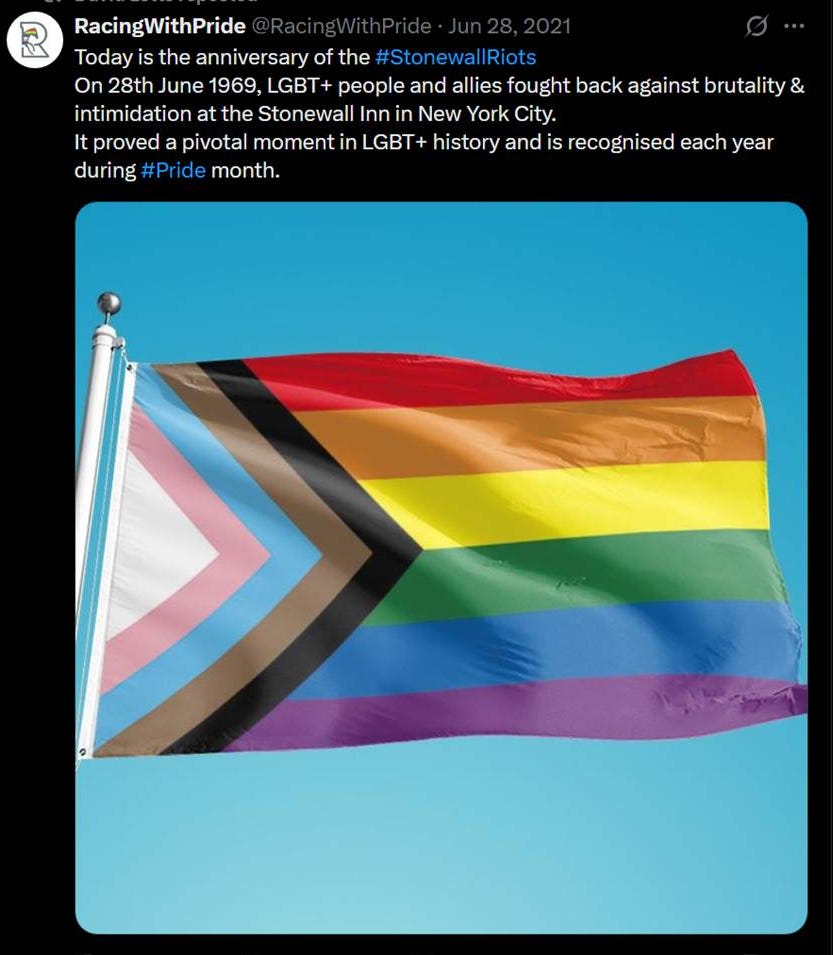
28 June (below) marks the Stonewall Riots, but should Racing With Pride, horseracing’s official LGBT+ network, be talking about riots at all? Note how the Pride Flag has made way for the Progress flag, which incorporates gender ideology and racial identity politics.
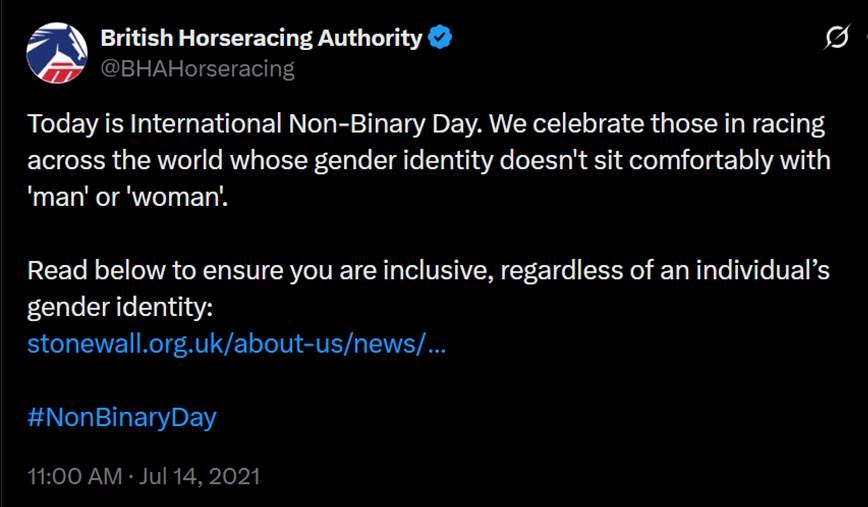
14 July is Non-Binary Day. Horseracing bodies affirm the belief that people can switch between male and female, or exist outside both. Conventional clinical practice does not, however, affirm people with anorexia by telling them that being severely underweight is healthy, or treat people with schizophrenia as if their hallucinations are real.
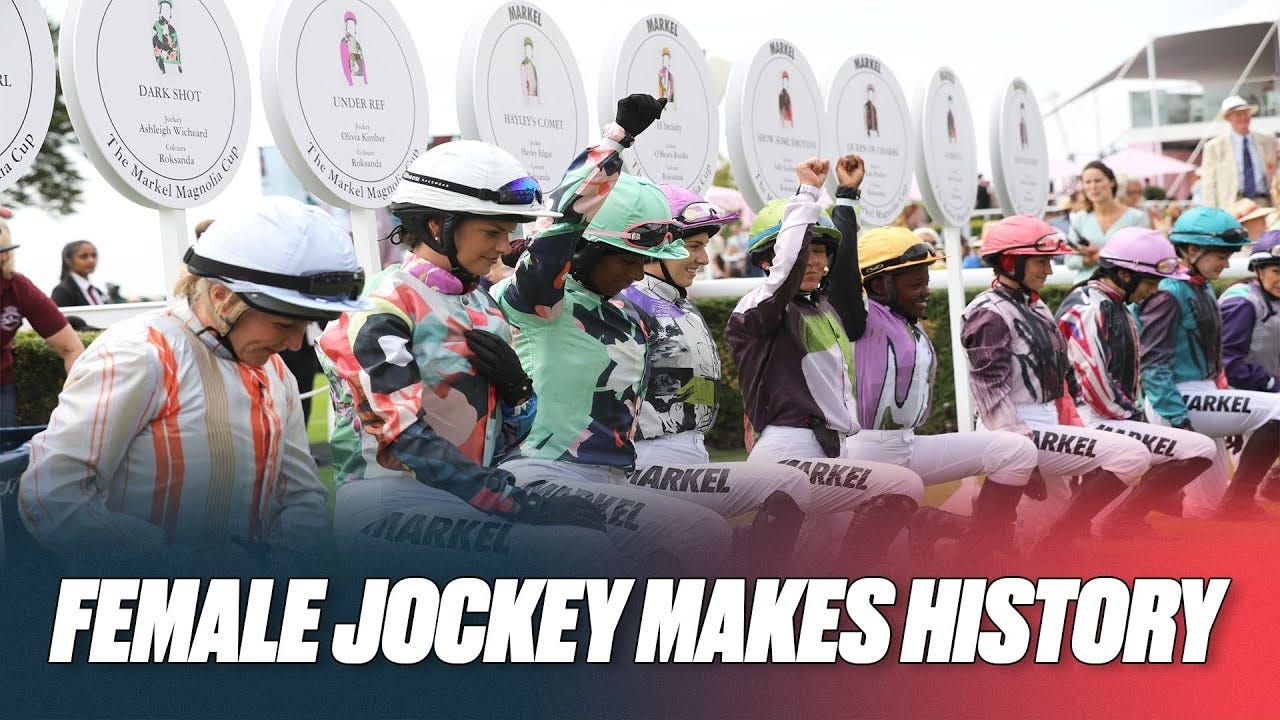
Late July is the Magnolia Cup at Goodwood. Originally intended as an amateur charity race for women from business, fashion and media, the Magnolia Cup has since adopted diversity objectives, such as highlighting Islamic headdress in 2019, promoting Black Lives Matter in 2022 and, from 2024, reserving a place for riders from the Riding A Dream Academy, aimed at diverse communities.3 This has turned the Magnolia Cup into a publicity vehicle for actively reshaping the sport’s demographic profile.
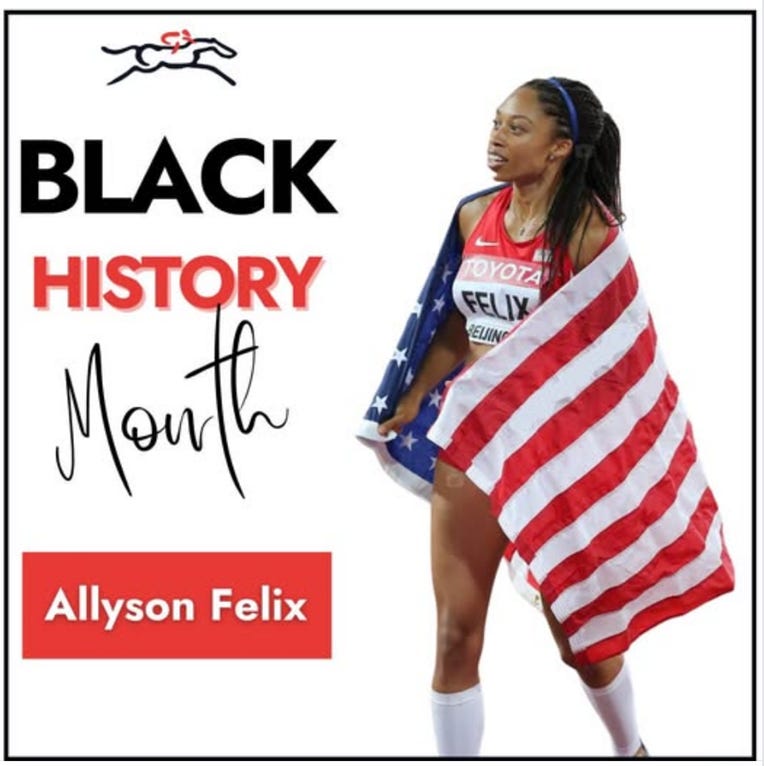
Moving into the autumn, October is Black History Month. From the British Racing School, in Newmarket:
The National Horse Racing Museum, also in Newmarket:
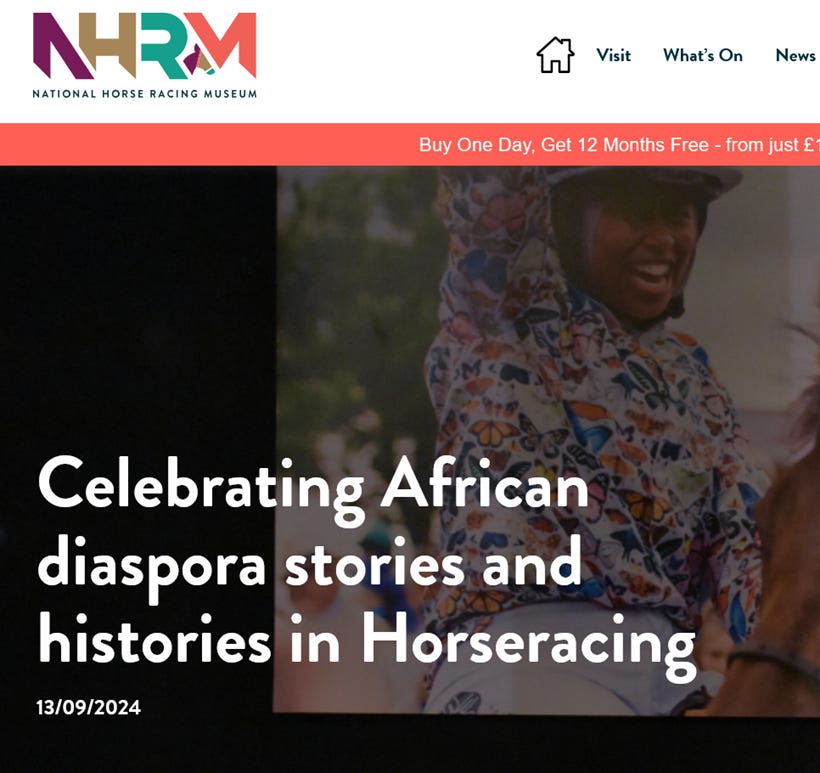
Two points to make about the above images: the first relies on black history in the United States, a tacit admission that there is no comparable black history in Britain - in which case, why is Black History Month being promoted? The second image refers to the African diaspora and not black history in Africa. This indicates that Black History Month is less about black people, and more about their interactions with white people.
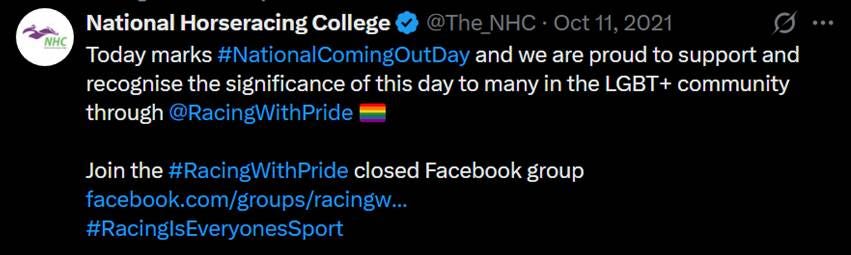
11 October is National Coming Out Day:
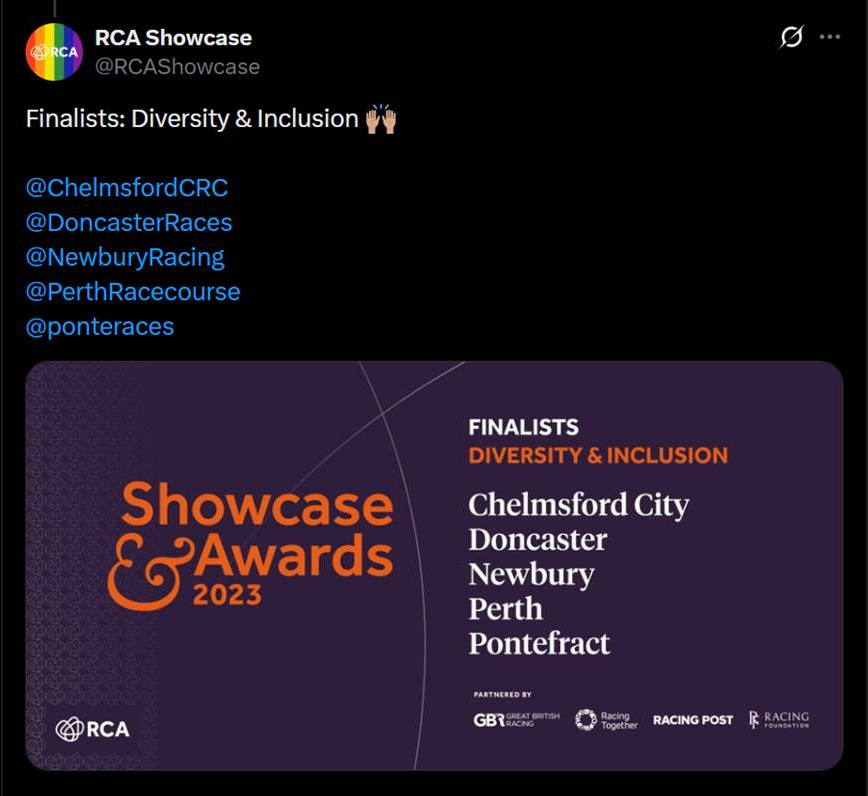
November is when the Racecourse Association Showcase Awards are presented. Not strictly part of the diversity calendar, Diversity & Inclusion is added as a category. Since racecourses want to win awards, this creates an incentive structure for arranging events on-course:
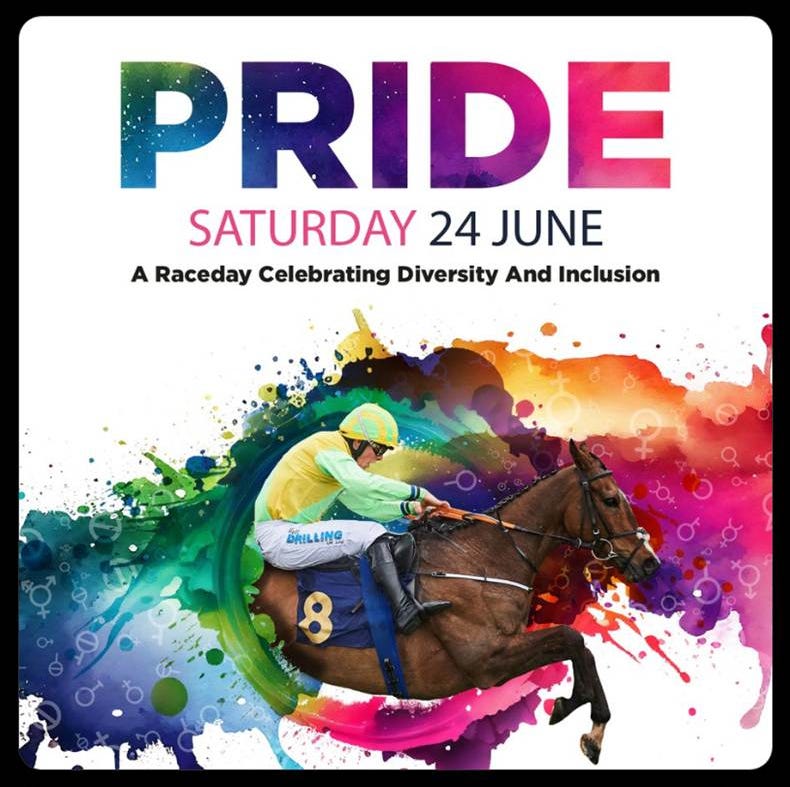
In 2023, the Diversity & Inclusion award was won by Perth for this event:
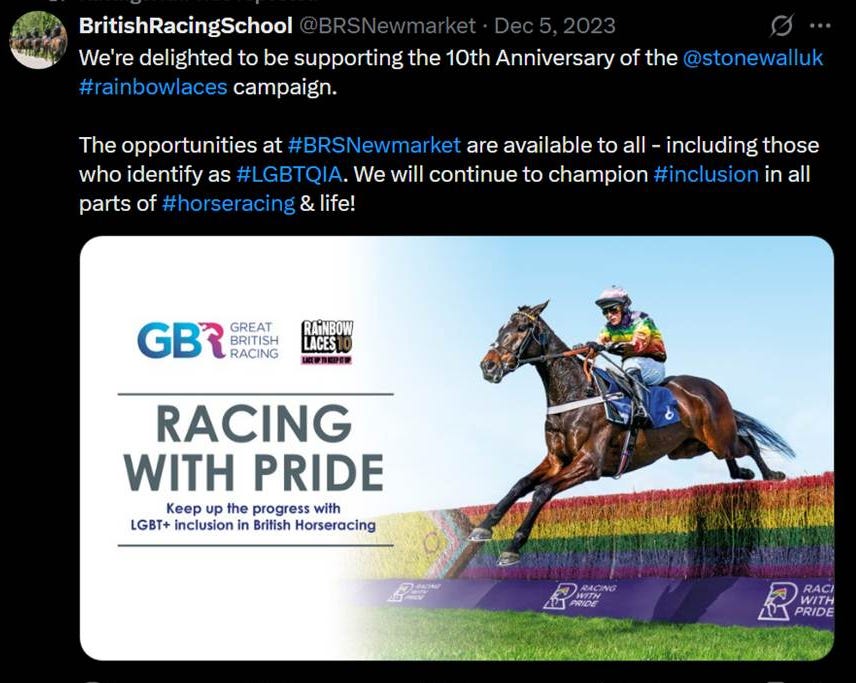
Early December is Stonewall’s rainbow laces campaign (2023 was its tenth anniversary).
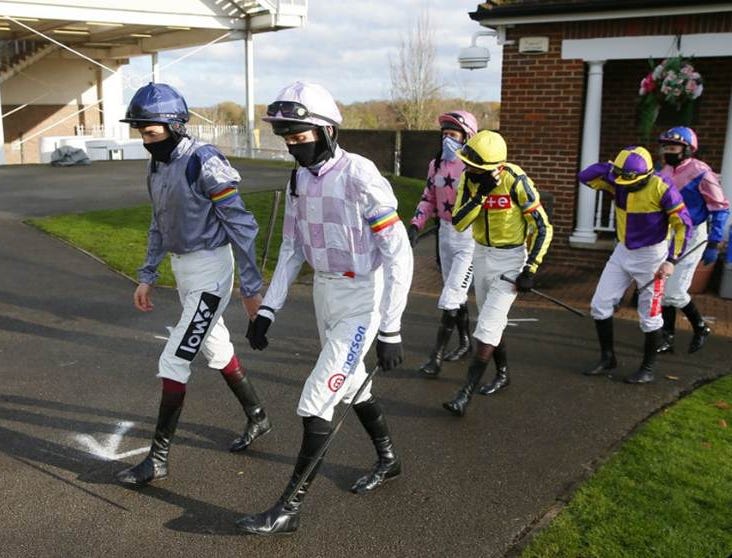
Jockeys do not have laces on their riding boots, so rainbow armbands are used:
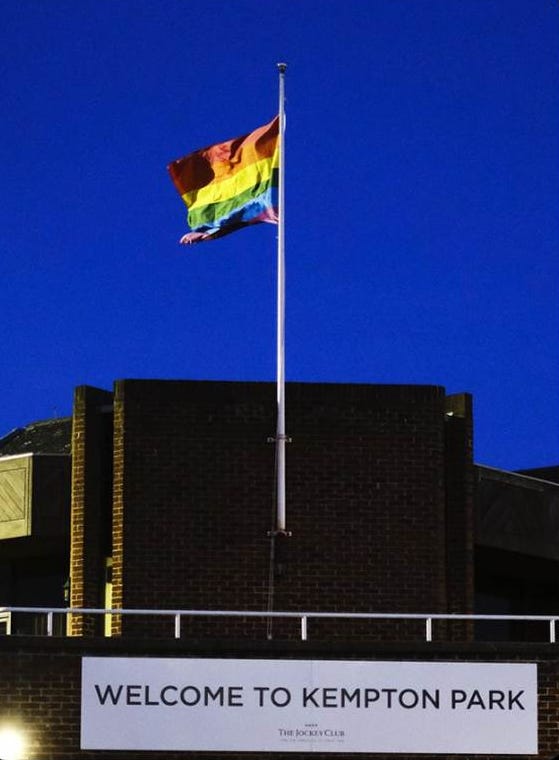
And flags: this is Kempton.
A way to test all the above is to flip the emphasis around: would LGBTQ advocates think it a proper use of horseracing to endorse evangelical Christian messaging that states homosexuality is a sin? Absolutely not.
The issue here need not be the merits of the views being promoted, nor even the law of unintended consequences tested by displacing the family as society’s central foundation. The issue is the use of racecourses and racing institutions to adopt and promote one side.
Would diversity advocates tolerate racecourses celebrating ‘National Borders Day’, ‘Defend Straight White Males Month’, or ‘Bring Back Hereditary Peers Weekend’? Of course they wouldn’t.
Yet the calendar takes contested views on sexuality, gender identity, race, and morality and presents them as an uncontroversial consensus. This is the power that has been created: turning a sport into a platform for one ideological perspective while excluding opposing views.